
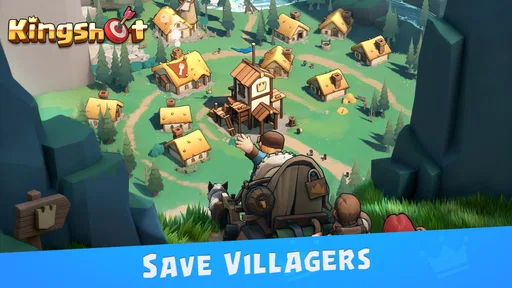
Kingshot review
 Analysis by GetAllApps
I usually judge a strategy game by how much it asks of my attention when I have only a few minutes, and how it feels when I return after a longer break. Kingshot is a medieval-themed strategy game with an idle angle, so its appeal is the promise of gradual progress rather than constant, uninterrupted play. That makes it easy to consider for a commute or a short break, but it also sets an expectation: “idle” should make the routine lighter, not turn every session into a string of chores.
How Kingshot fits into a short session
In my view, the game’s strongest use case is the quick check-in. If you enjoy seeing a strategy project move forward between visits, an idle structure can suit the gaps in an ordinary day better than a game that expects you to stay focused for a long stretch. I would approach it as something to open when I have a little time, make a few considered decisions, then put away—not as a game that needs to occupy every spare minute.
That does not mean every visit will feel equally brisk. Strategy games often ask players to weigh immediate actions against longer-term priorities, and that kind of decision-making is part of the attraction. A session may feel fast when I know what I want to do, yet slower when I am comparing options or trying to decide where limited attention should go. The idle framing helps with pacing, but it does not remove the need to think.
For someone deciding whether it is a good fit, the key question is not simply whether progress continues outside a session. It is whether you like returning to a game and choosing what deserves attention next. If you want a self-running experience with little to manage, this may still feel busier than expected. If you like a compact strategy routine, that pause-and-plan rhythm can be a plus.
What “idle” means for your expectations
I would not treat the word “idle” as a promise that the game plays itself or that every visit takes only a moment. It is better understood as a style of pacing that can make progress feel less dependent on continuous play. The practical benefit is flexibility: you can make the game part of a day without setting aside a long block of uninterrupted time.
That flexibility comes with a trade-off. If you prefer strategy games where each session is a substantial, self-contained challenge, an idle format may feel less immediate. The satisfaction is more likely to come from managing a continuing project than from finishing a complete tactical experience in one sitting. I would choose it for a gradual routine, not as a substitute for a focused, match-based strategy game.
A useful way to test the fit is to keep your first visits simple. Rather than trying to master every decision immediately, notice which actions seem to move your broader plan forward and which ones mainly add another task to remember. That small habit can help prevent the game from feeling like a checklist, especially if you are fitting it around work, study, or family time.
When sessions get busy
Strategy games can feel most demanding not when they are technically slow, but when several choices compete for attention at once. In Kingshot, I would pay attention to whether a busy visit still feels understandable: can I tell what I am working toward, or do I find myself tapping through decisions without a clear priority? That is a more useful test of everyday ease than assuming an idle game is automatically effortless.
My practical tip is to enter a session with one main aim. Decide what you want to advance before you start, then avoid treating every visible prompt as equally urgent. This is a general way to make a strategy game easier to manage, but it matters especially in a game built around returning to an ongoing medieval project. A clear focus makes a short visit feel purposeful and reduces the chance that a quick check-in expands into a longer session than you intended.
There is also a real trade-off between frequent check-ins and relaxed play. If you enjoy monitoring gradual progress, brief visits may feel rewarding. If you would rather play only when you have a longer stretch of free time, the continuing rhythm could make you feel as though you are falling behind whenever you are away. I would skip it if that sense of obligation is exactly what you want to avoid in a mobile game.
Keeping the routine manageable
For an everyday scenario, imagine opening the game while waiting for a bus. I would use that moment to check my current direction and make one useful decision, rather than assuming I can comfortably handle every part of a strategy session in a few minutes. If I had more time later, I could return with a better chance to compare choices instead of rushing through them.
This split-session approach is a non-obvious advantage of the idle framing: it encourages you to think of play as a sequence of small planning moments rather than one long sitting. The drawback is that it can fragment your attention if you keep opening the game whenever you have a spare second. I would set a personal limit on check-ins and use the game when I actually want a strategy break, not every time my phone is in reach.
When a session feels crowded, I would also resist spending simply to make decisions feel easier. Kingshot is free to start, with optional in-app purchases priced from $0.99 to $99.99 per item. Those purchases may be tempting if you want to accelerate a routine, but I would first decide whether the game is enjoyable at its natural pace. Spending is a poor fix if the underlying issue is that you do not like managing a continuing strategy game.
Reliability and the return-to-play experience
I can assess reliability most usefully from the point of view of routine: does the game make sense when I come back, and can I pick up my plan without needing to rebuild it in my head? Kingshot’s idle-oriented premise is well suited to that kind of return, but the quality of the experience still depends on how clearly its ongoing choices are presented. A game can be easy to reopen while still asking for more attention than a casual player wants to give.
When you have been away for a while, start by orienting yourself before making a major choice. Check what you were trying to accomplish and whether that plan still makes sense, rather than reacting to the first thing that catches your eye. This is a small workflow, but it helps avoid the common strategy-game mistake of making a quick decision that conflicts with a longer-term goal.
I would not confuse an idle structure with guaranteed technical stability or instant loading. How quickly a game opens and how smoothly it runs can depend on the phone, operating system, available resources, and the conditions of a particular session. The practical expectation I would set is modest: treat it as a game you can revisit conveniently, but judge its actual responsiveness on your own device before making it part of a daily routine.
Who will enjoy the pace—and who may not
The game is a stronger match for players who enjoy incremental strategy and do not mind returning to a project over time. It may also suit someone who wants a medieval setting but does not always have time for a long play session. The broad audience is reflected in its 4.4 average from around 1.6 million ratings, with over 50 million installs; those figures suggest a sizeable player base, though they do not guarantee that its pace will suit you personally.
On the other hand, I would point a player toward a different kind of strategy game if they want dense tactical decisions, a clearly bounded match, or a session that feels complete when they close the app. Kingshot’s appeal is tied to an ongoing rhythm. That can feel satisfying when you like tending a plan, but less satisfying when you want every minute of play to deliver a neat beginning, middle, and end.
It is also not the obvious choice for someone who dislikes optional purchases in free games. The game costs nothing to download, but the available purchase range is wide enough that I would recommend checking your own spending habits before starting. You can approach it as a free game, but it is sensible to decide in advance whether you are comfortable with in-app offers appearing as part of the experience.
Device expectations and practical fit
Kingshot is listed for Android 7.0 and later, which gives many Android users a clear starting point for checking compatibility. Meeting that minimum does not tell you how responsive it will feel on a particular phone, especially if the device is older or has limited free resources. I would close demanding apps before a longer session if the phone already feels sluggish, then see whether the game remains comfortable to use.
As a strategy game, it is not something I would choose primarily for quick reflexes. That may make it more forgiving to play in small windows of time than an action game, but it does not mean device performance is irrelevant. Slow loading, stutters, or an awkward return to play can still disrupt the planning rhythm. If you notice that happening repeatedly on your phone, the problem may be your device’s capacity or current workload rather than the game’s basic design.
The age classification is Everyone 10+, so it is aimed at a broad audience while not being labelled for the very youngest players. I would still make the decision based on the person playing, their comfort with strategy and in-app purchase offers, and the way your household handles mobile spending. That is more useful than assuming an age label alone answers whether a game is right for someone.
A simple way to judge performance for yourself
Before settling into a daily habit, try the game during the kind of session you actually expect to have: perhaps a short break, followed later by a longer visit. Notice whether it opens comfortably, whether you can understand your next step after returning, and whether the interface feels manageable when you are not giving it your full attention. Those observations will tell you more than broad claims about speed or stability.
I would also be cautious about judging it during a single unusually busy moment on your phone. If performance feels poor, close other apps and try again when the device is less occupied. If it still feels frustrating, that is a fair reason to move on; a strategy game that demands patience in its decisions should not also make the basic act of playing feel like a burden.
My verdict on Kingshot
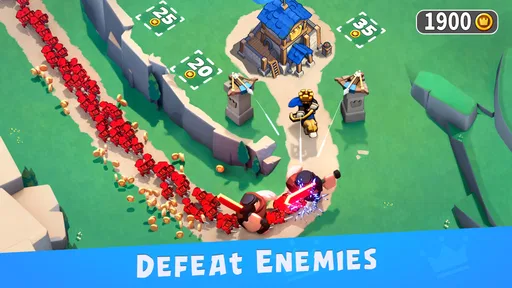
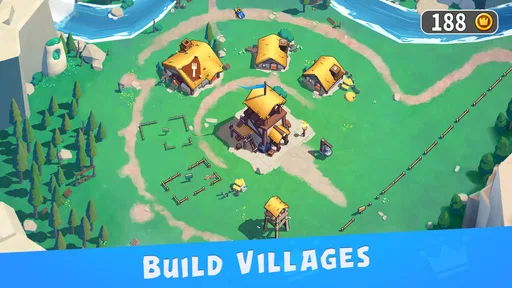
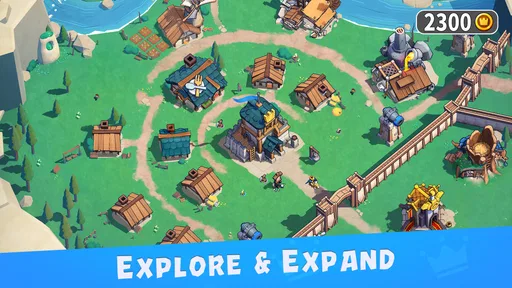
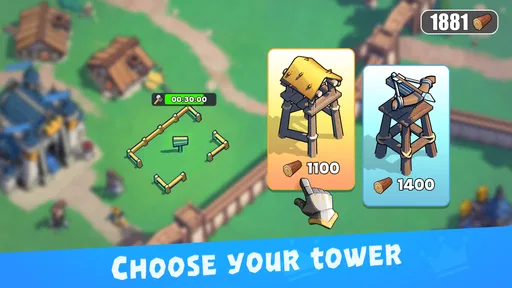
Kingshot is worth considering if you want a medieval strategy game that can fit around short visits and a longer-running plan. Its biggest strength is the possibility of making progress without requiring every session to be a major event. Its main limitation is closely related: players who dislike ongoing management, fragmented sessions, or purchase prompts may find the format less relaxing than the word “idle” suggests.
Century Games PTE. LTD. released it on Mar 3, 2025, and its strategy focus is clear enough to help you decide what kind of experience to expect. I would recommend trying it if you like gradual planning and are comfortable setting your own pace. I would skip it in favour of a more contained strategy game if you want self-contained matches, minimal ongoing attention, or no optional spending decisions. For me, the best approach is to keep the first sessions short, choose one goal at a time, and see whether returning to your medieval project feels inviting rather than obligatory.
Pros and cons
Pros
- Quick sessions make it easy to play in short bursts.
- Hero skills add useful variety to battles.
- Alliance events encourage cooperative play.
- The tutorial introduces core systems at a steady pace.
- Daily tasks provide clear short-term goals.
Cons
- Progress can slow without frequent resource collection.
- Upgrading buildings requires increasing amounts of time.
- Some features are difficult to navigate at first.
- Competitive events may favor highly active players.
- The many upgrade systems can feel overwhelming.


